
Disappearance of the Beaumont children
in Glenelg, AustraliaCategory: Attraction
 0 views
  0 shares
  0 comments
 set bookmark!
Created/changed by:
System
Address details
22 High St, Glenelg SA 5045, Australia Print route »
Phone & WWW


Business hours
Info
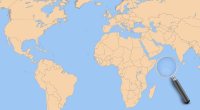
Jane Nartare Beaumont (born 10 September 1956), Arnna Kathleen Beaumont (born 11 November 1958), and Grant Ellis Beaumont (born 12 July 1961), collectively known as the Beaumont children, were three siblings who disappeared from Glenelg Beach near Adelaide, South Australia in a suspected abduction and murder. The three siblings disappeared from Glenelg Beach near Adelaide on Australia Day, 26 January 1966. At the time of their disappearance they were aged 9, 7 and 4 years respectively.Police investigations revealed that, on the day of the disappearance of the Beaumont children, several witnesses had seen the children near Glenelg Beach in the company of a tall blond and thin-faced man with a sun-tanned complexion of thin to athletic build, aged in his mid-30s. Confirmed sightings of the three children were at Colley Reserve and at Wenzels Cake shop in Mosley Street, Glenelg. Despite numerous searches, neither the children nor their suspected companion were located. The case attracted widespread police and media attention in Australia and beyond, quickly attracting numerous suspects, hoaxes, and theories. The regular and widespread attention given to this case, its significance in Australian criminal history, and the fact that the mystery of their disappearance has never been explained, has led to the story being continually revisited by the media. New leads and clues are regularly reported by the media, and the case still regularly headlines print and broadcast media more that half a century on. As of 2018, an A$1 million reward was offered for information related to the cold case by the South Australian Government.
The disappearance is widely credited with causing a change in Australian lifestyles, since parents began to believe that their children could no longer be presumed to be safe when unsupervised in public.